
About Lovegobuy Spreadsheet
Click the images below to browse!






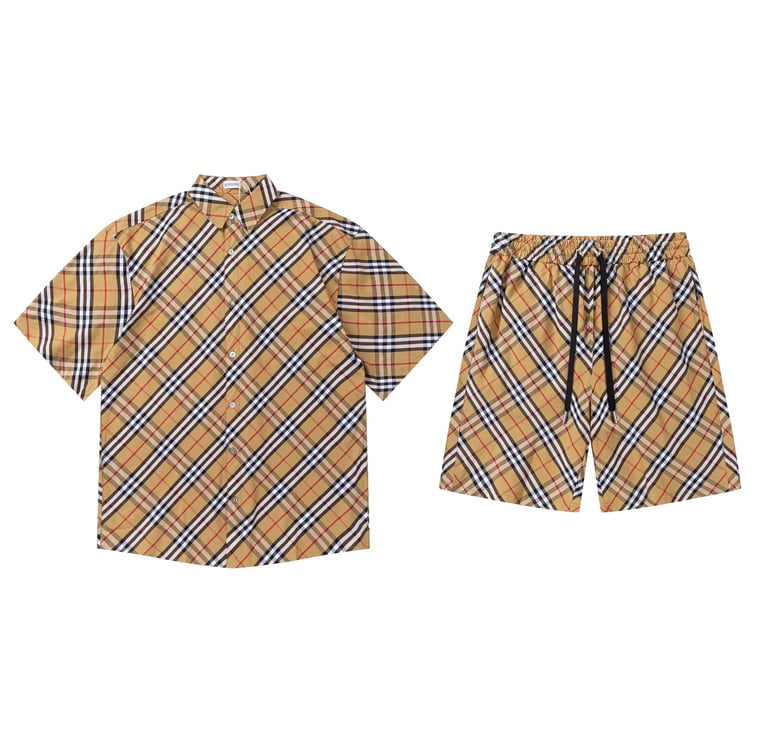
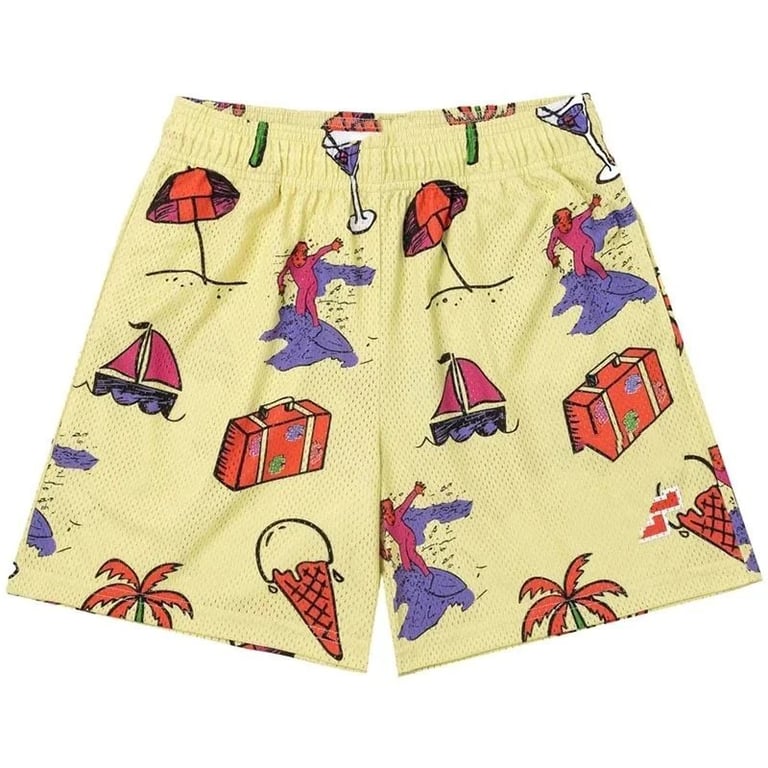
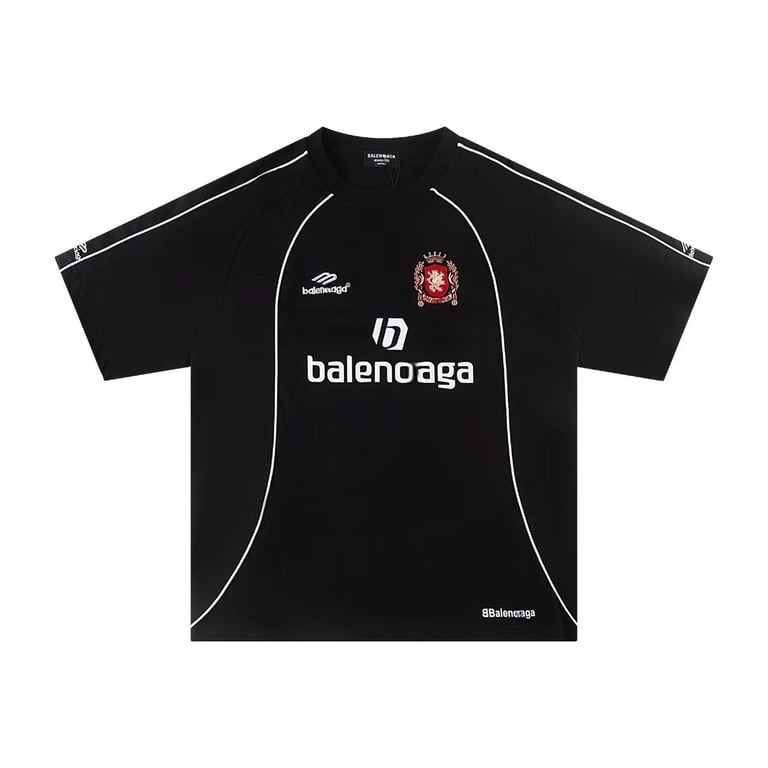



SITE 4|日常购物集合站(Everyday Shopping Hub)
How Lovegobuy spreadsheet helps users build low-cost shopping lists
Low-cost shopping in cross-border ecommerce is often mistaken for simply choosing the cheapest products available. In reality, the lowest price does not always translate into the lowest total cost. Factors such as repeated purchases, inconsistent suppliers, hidden variation costs, and product mismatch can significantly increase long-term spending.
The Lovegobuy spreadsheet approaches low-cost shopping from a list-building perspective rather than a single-product selection mindset. Instead of optimizing one item at a time, it helps users construct complete shopping lists that balance price, stability, and functional coverage across multiple essential categories.
A different starting point: cost is defined at list level, not product level
Traditional shopping systems evaluate cost per item. This leads to fragmented decision-making where each product is optimized independently.
The Lovegobuy spreadsheet shifts the logic to:
Total list cost instead of single-item price
Functional completeness instead of isolated cheap options
Replacement availability instead of one-time purchase savings
Long-term sourcing stability instead of temporary discounts
This allows users to understand cost as a system, not a collection of individual prices.
Step 1: Grouping needs before selecting products
Instead of starting with products, the system begins with needs clustering.
Users are guided to define shopping lists based on:
Daily usage scenarios (home, personal care, utility)
Frequency of replacement (daily, weekly, monthly items)
Functional dependency (must-have vs optional items)
The Lovegobuy spreadsheet then maps these needs into structured product groups, ensuring each list covers complete usage scenarios rather than isolated items.
Step 2: Filtering out hidden cost traps in product selection
Low-cost shopping often fails due to hidden cost accumulation. The spreadsheet identifies and reduces exposure to:
Products requiring frequent repurchase due to low durability
Items with inconsistent sizing or compatibility issues
Listings that lack stable supplier alternatives
Products with high variation fragmentation across sellers
By filtering these patterns early, the system prevents users from selecting items that appear cheap but become expensive over time.
Step 3: Building substitute chains for each item category
A key feature of the Lovegobuy spreadsheet is the creation of substitution chains.
For each product in a shopping list, the system organizes:
Primary recommended option
Alternative suppliers with similar pricing
Backup options for availability gaps
Functionally equivalent replacements
This ensures that shopping lists are not dependent on a single product source, reducing risk of forced expensive replacements later.
Step 4: Balancing price clusters instead of chasing lowest price
Rather than selecting the cheapest item in each category, the system organizes products into price clusters.
Each cluster represents:
Entry-level cost options
Mid-range stable options
Slightly higher but more reliable alternatives
The Lovegobuy spreadsheet encourages selection within stable clusters instead of extreme low-price outliers, which often come with hidden instability.
This improves long-term cost efficiency.
Step 5: Aligning shopping lists with replacement cycles
Low-cost shopping is heavily influenced by how often products need to be replaced.
The system structures lists based on:
High-frequency consumables (requiring stable supply)
Medium-cycle essentials (requiring balanced pricing)
Long-term items (prioritizing durability over price)
By aligning product selection with lifecycle patterns, users avoid over- or under-investing in different categories.
Step 6: Consolidating multi-category purchases into unified lists
Instead of treating each category separately, the Lovegobuy spreadsheet merges them into unified shopping lists.
This allows:
Combined cost evaluation across categories
Identification of overlapping product functions
Reduction of duplicate purchases across different sections
Optimization of total basket efficiency
The focus shifts from category-by-category savings to total basket optimization.
Step 7: Connecting list building with Lovegobuy links for verification
Once a low-cost shopping list is built, validation is required before execution.
Through Lovegobuy links, users can:
Open supplier pages directly from each list item
Compare real-time pricing across sources
Confirm availability of substitute options
Validate whether selected items maintain cost stability
This ensures that cost-optimized lists are grounded in real market conditions, not static spreadsheet assumptions.
Conclusion
The Lovegobuy spreadsheet helps users build low-cost shopping lists by shifting focus from individual price optimization to structured list-level cost management. It reduces hidden expenses by filtering unstable products, organizing substitution chains, and aligning purchases with real replacement cycles.
When combined with Lovegobuy links, the system transforms from a planning tool into an execution framework, allowing users to move from optimized shopping lists to real-time purchasing with verified cost efficiency in cross-border ecommerce environments.