
Lovegobuy Finds
Spreadsheet
OVER 5000+
WITH QC PHOTOS
Click the images below to browse!
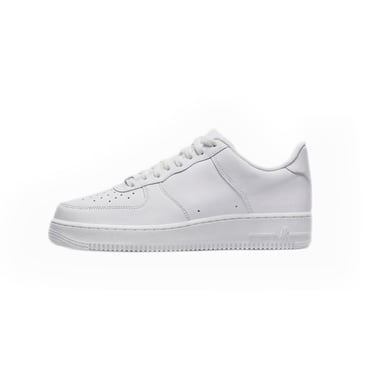
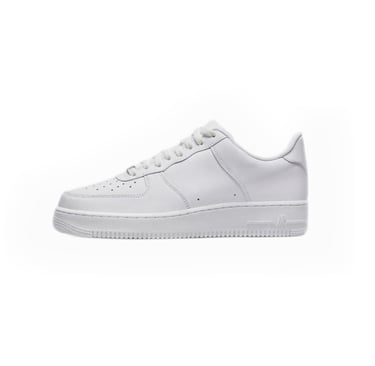
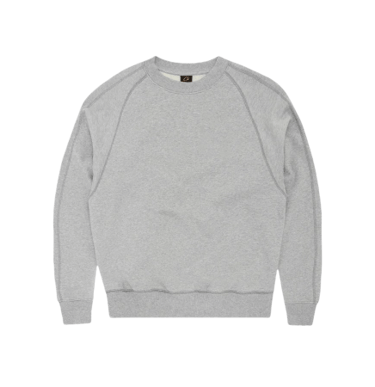
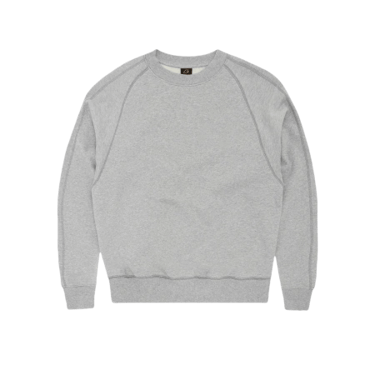
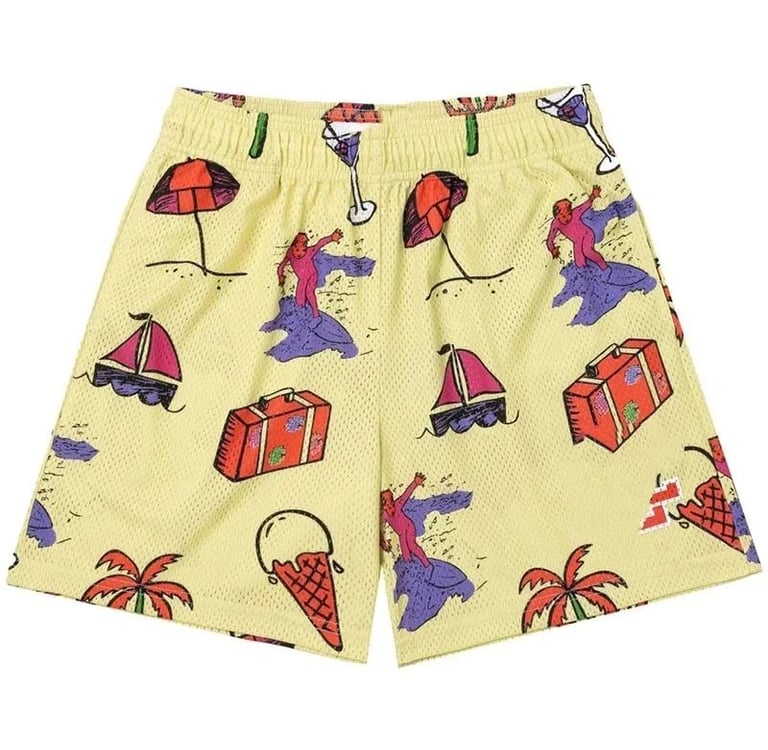
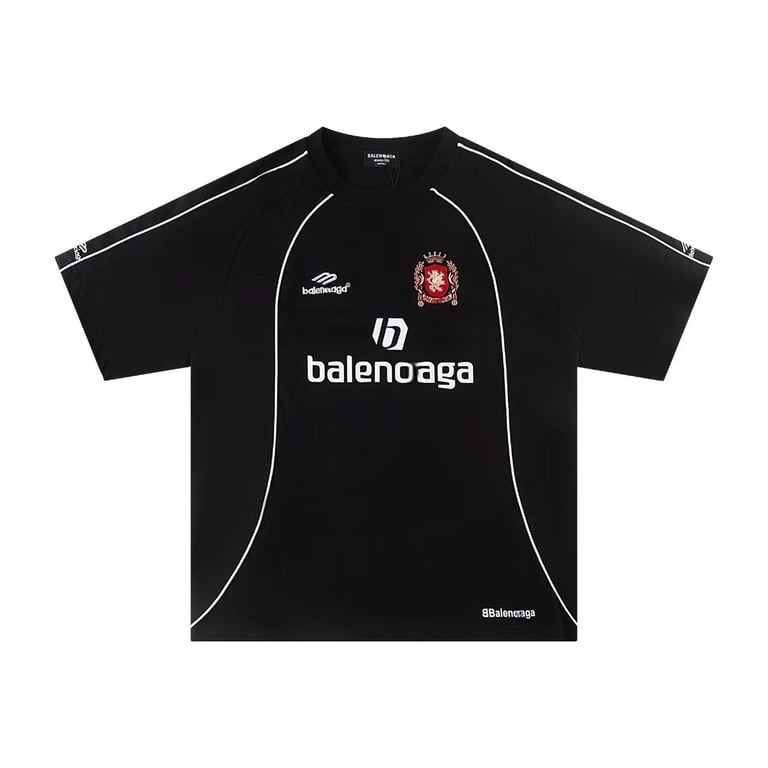


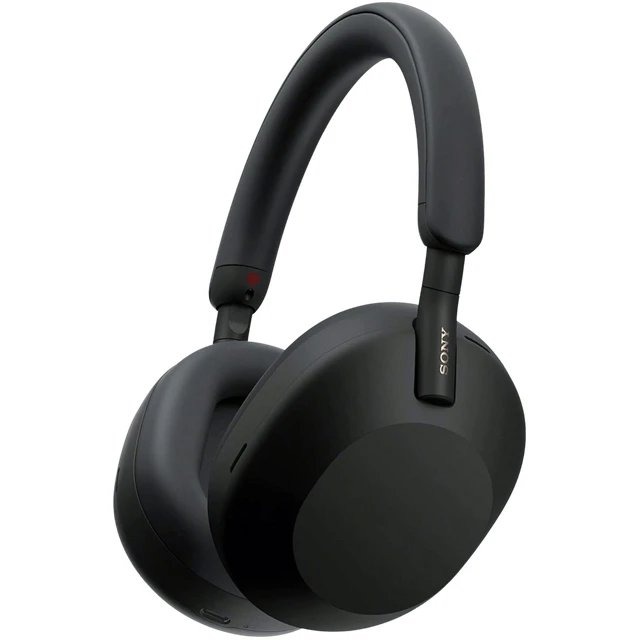
How Lovegobuy spreadsheet builds daily essential product collections
In cross-border ecommerce, daily essential shopping is often overlooked because it seems simple compared to trend-based or high-margin product sourcing. However, in practice, everyday product selection is one of the most repetitive and structurally complex parts of cross-border retail. Products such as home essentials, personal utility items, and repeat-use goods require consistency, availability stability, and predictable sourcing behavior.
The Lovegobuy spreadsheet approaches this category differently by treating daily essentials not as isolated items, but as continuously maintained product collections. Instead of individual listings, it builds structured clusters that reflect usage patterns, replenishment cycles, and supplier consistency.
1. Daily essentials are organized by usage behavior, not product type
Traditional ecommerce categorization groups items by static labels such as “kitchen,” “bathroom,” or “home supplies.” This approach often ignores how users actually consume products.
The Lovegobuy spreadsheet organizes daily essentials based on usage behavior, such as:
Replenishment frequency (frequently replaced vs long-term use)
Functional dependency (core necessity vs optional utility)
Multi-context usage (single-purpose vs multi-purpose items)
This behavioral grouping allows product collections to reflect real-life consumption patterns rather than rigid category definitions.
2. Repetition-based clustering builds stable product sets
Daily essentials require stability more than novelty. The system identifies products that consistently appear across multiple micro stores and groups them into stable clusters.
These clusters are formed when:
Similar items repeatedly appear across different suppliers
Product structures remain consistent across listings
Variations do not significantly change core functionality
Multiple sellers independently maintain similar product lines
This repetition-based clustering ensures that essential product collections remain reliable over time.
3. Supply consistency determines collection reliability
Unlike trend-driven products, daily essentials depend heavily on supply continuity.
The Lovegobuy spreadsheet evaluates:
Whether products remain available across multiple sourcing cycles
Whether suppliers consistently restock similar items
Whether alternative listings exist for the same function
Whether supply disruption risk is low across sellers
Collections are only considered stable when supply consistency is high across the ecosystem.
4. Functional overlap is used to expand essential groups
Many daily products serve similar or overlapping functions. Instead of listing them separately, the system groups them based on functional similarity.
Examples include:
Different types of storage solutions serving the same purpose
Multiple cleaning tools with interchangeable use cases
Utility accessories that fulfill overlapping household roles
By grouping functional overlaps, the spreadsheet reduces redundancy and helps users build more complete essential sets.
5. Price stability is prioritized over lowest price selection
In essential product sourcing, the cheapest option is not always the best indicator. Extremely low prices often signal unstable supply or inconsistent quality.
The system evaluates:
Price consistency across multiple suppliers
Long-term pricing stability instead of temporary discounts
Variance between similar essential products
Predictability of replenishment cost over time
This ensures that product collections remain economically stable rather than optimized for short-term savings.
6. Collection structure is designed for repeat purchasing cycles
Daily essentials are not one-time purchases—they follow repeat cycles.
The Lovegobuy spreadsheet builds collections based on:
How often a product is typically repurchased
Whether substitutes exist within the same cluster
Whether alternative suppliers are interchangeable
Whether replacement options maintain consistent quality
This cycle-based structure ensures that users can continuously source essentials without rebuilding product lists each time.
7. Reducing fragmentation through unified essential groups
Without structured systems, daily essentials are scattered across multiple categories and suppliers. This creates fragmentation in sourcing behavior.
The spreadsheet solves this by:
Merging similar essential items into unified groups
Reducing duplicate listings across categories
Standardizing product representation across suppliers
Creating a single reference point for each essential function
This makes daily shopping predictable and easy to manage.
8. Verification through Lovegobuy links ensures real availability
Once essential collections are built, validation is necessary to ensure that products are actively available.
Through Lovegobuy links, users can:
Open supplier pages directly from essential clusters
Confirm real-time stock availability
Compare identical essential items across sellers
Verify consistency of supply before purchasing decisions
This ensures that structured collections remain grounded in actual market availability.
Conclusion
The Lovegobuy spreadsheet builds daily essential product collections by shifting focus from static categorization to behavioral grouping, supply consistency, and cycle-based sourcing logic. Instead of treating essentials as isolated items, it creates structured, repeatable product systems that reflect real consumption patterns.
When combined with Lovegobuy links, these collections become fully actionable, enabling users to move seamlessly from structured essential planning to real-time product validation in cross-border ecommerce environments.


How Lovegobuy links improve access to everyday shopping categories
In cross-border ecommerce, everyday shopping categories are often the most frequently used but least optimized part of the user journey. Unlike trending or high-value products, daily essentials require fast repetition, predictable navigation, and minimal cognitive effort. However, most platforms treat these categories the same as complex product segments, resulting in unnecessary navigation steps and fragmented browsing experiences.
The Lovegobuy links system is designed to streamline this process by turning everyday category access into a direct, structured entry flow. Instead of forcing users to navigate through layered menus or repeat searches, it enables instant movement into relevant daily-use product groups.
1. Everyday shopping relies on repetition, not exploration
Unlike discovery-based shopping, daily essentials are driven by repetition. Users already know what they need—they simply want to access it quickly.
The Lovegobuy links system supports this behavior by:
Bypassing repeated category navigation
Providing direct entry points to essential product groups
Reducing time spent re-locating familiar items
Eliminating unnecessary browsing decisions
This transforms everyday shopping from a search activity into a direct access behavior.
2. Direct category entry replaces layered navigation
Traditional ecommerce systems require users to move through multiple layers:
homepage → category → subcategory → product list → supplier page
The Lovegobuy links system compresses this into a single-step access model.
Users can:
Jump directly into predefined everyday categories
Access grouped essential product sets instantly
Skip intermediate navigation layers entirely
Reach relevant listings without contextual rebuilding
This significantly reduces friction in high-frequency shopping scenarios.
3. Context-aware routing improves category relevance
One of the limitations of traditional category browsing is lack of contextual adaptation. Users often land in broad categories and must manually refine results.
The Lovegobuy links system improves this by using context-based routing logic:
Household essentials are grouped by usage environment
Personal care items are segmented by consumption frequency
Utility goods are organized by functional context
Multi-use items are routed into overlapping category nodes
This ensures that users enter the most relevant subset of products immediately.
4. Reducing cognitive load in repetitive shopping scenarios
Everyday shopping is often performed under time constraints. Users want speed, not exploration.
The system reduces cognitive load by:
Removing decision steps before category entry
Pre-structuring category destinations
Avoiding repeated filtering actions
Maintaining consistent navigation patterns
This allows users to complete shopping actions with minimal mental effort.
5. Linking structured categories with real product access
The Lovegobuy links system is tightly integrated with the Lovegobuy spreadsheet, which defines category structure in advance.
This integration allows:
Direct mapping from category → product cluster → supplier page
Pre-built pathways for essential item groups
Instant transitions between structured data and real listings
Consistent category behavior across different sourcing environments
Instead of browsing, users follow predefined access routes.
6. Multi-category switching without navigation reset
In everyday shopping, users often need to move between categories quickly (for example: home supplies → cleaning → kitchen essentials).
Without structured linking, this requires repeated navigation resets.
With Lovegobuy links, users can:
Switch between related categories without restarting navigation
Maintain browsing context across multiple essential groups
Move through product environments continuously
Avoid losing position in category hierarchies
This creates a fluid browsing experience across daily-use segments.
7. Eliminating search dependency in essential shopping
Search-based navigation is inefficient for daily shopping because users often:
Forget exact product names
Use inconsistent keywords
Receive overly broad or irrelevant results
Spend time refining queries repeatedly
The Lovegobuy links system removes search dependency by providing direct entry paths to structured categories, making keyword precision unnecessary.
8. Real-time verification through Lovegobuy spreadsheet connection
Category access alone is not sufficient—availability must also be confirmed.
Through the integration with the Lovegobuy spreadsheet, users can:
Validate product availability within each category
Compare items before entering supplier pages
Identify stable essential product clusters
Ensure consistency across multiple listings
This keeps category access aligned with real sourcing conditions.
Conclusion
The Lovegobuy links system improves access to everyday shopping categories by eliminating layered navigation, reducing search dependency, and enabling direct contextual routing into structured product groups. Instead of treating daily essentials as part of a complex browsing system, it transforms them into instantly accessible, repeatable entry points.
When combined with the Lovegobuy spreadsheet, this creates a streamlined ecosystem where category structure and real product access are tightly connected, enabling faster, simpler, and more consistent cross-border daily shopping experiences.